The Expanse: Radical Humanism and Cosmic Indifference
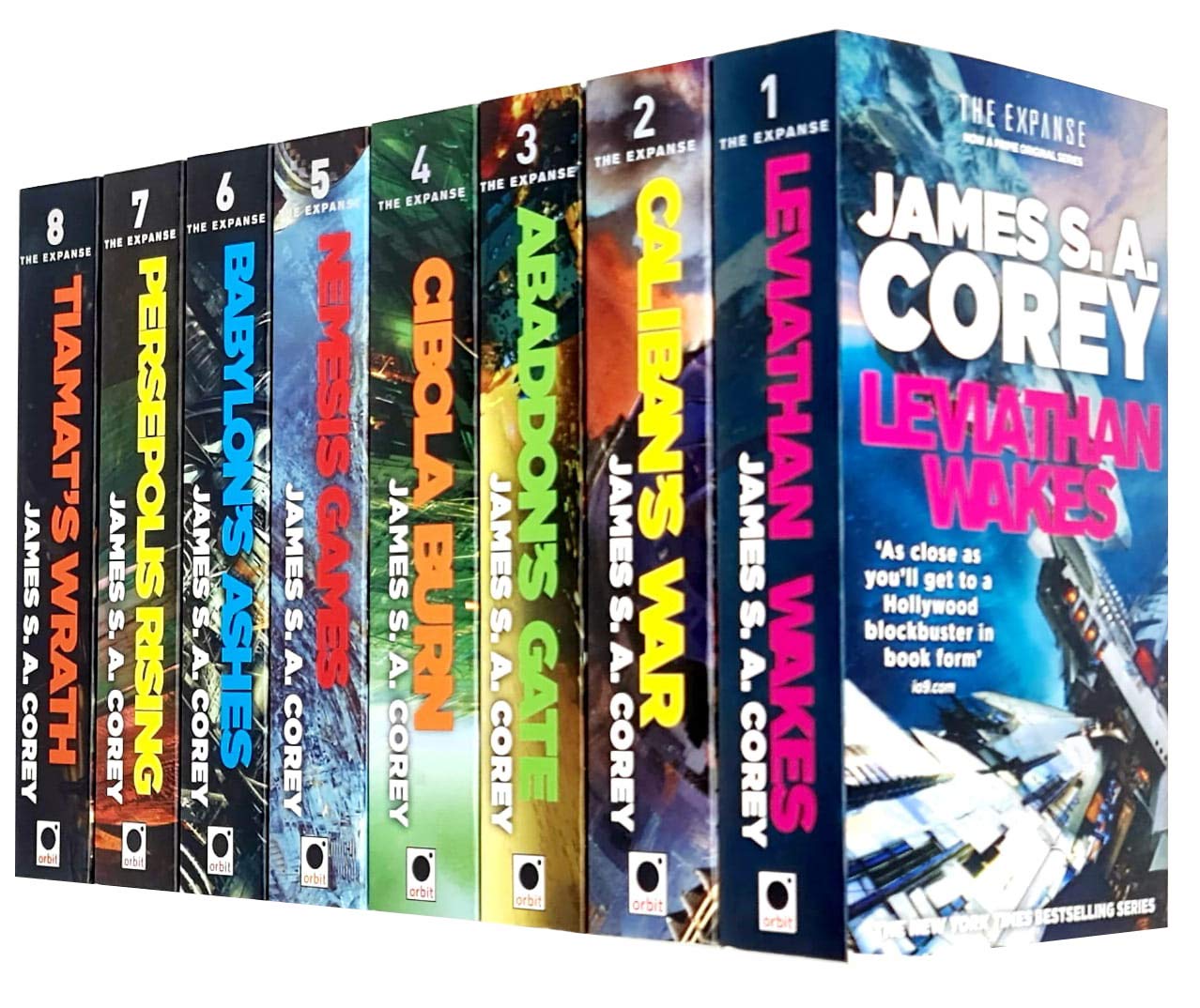
I read Leviathan Wakes when I was still in school; that was over ten years ago. Recently, I got back to reading everything in the Expanse universe and am enjoying it so far. I’ve read the two novellas, The Churn and The Gods of Risk, and am now reading Cibola Burn. It’s not surprising that I like Expanse so much. It’s science fiction, and I love science fiction. But beyond that, I think the Expanse series is just good literature. It would be a shame to just bin it as genre fiction and write it off.
What makes Expanse so amazing, in my view, is the deep-rooted humanism within it. This humanism is a bit of a curveball, considering the unfeeling, inhuman machinery of the protomolecule and the alien intelligences behind it that form the backdrop to the story. That contrast between the all too human characters and the uncaring, inhuman beings beyond comprehension is what defines Expanse, in my experience.
The characters in Expanse are definitely memorable. My favorites are often the supporting actors. I have nothing against the central cast, but the side characters are often who drive the story in Expanse. And what a lineup we have: Miller, Avasarala, Bull… Each character is distinct in the way they express themselves and in their motivations. Even the villains are not just evil; they are people committed to some bad ideas. Well-written characters are understandable in their motivations because we share a common humanity. The characters are often bound in some conflict that seems inevitable and insurmountable, driven by discoveries and technologies that apparently define the moment. Yet, the crisis is resolved through the moral choices of individuals, not through any sci-fi MacGuffin.
I can’t help but be empathetic toward the characters because they are so human. In the middle of all bloodshed, political maneuvering, and cosmic horror, the books consistently offer a sense of hope. Perhaps that is why I return to it in these dark times we are going through. In Abaddon’s Gate, as the violence escalates between human factions, I read, “Violence is what happens when people run out of good ideas,” and I see parallels to what I see around me. In The Churn, when Lydia delivers that speech that changes Amos’ trajectory: “People like us? We aren’t righteous. But we can pretend to be, if we want, and that’s almost the same as if it were true.” I feel like this is something we should all aspire to.
So reading Expanse today, after a ten-year hiatus, feels more relevant to me than ever. It scratches that same itch for humanity that Becky Chambers’ The Monk and the Robot did. Both remind me that in an indifferent universe, our humanity is the only thing keeping the dark at bay. I read a little before bed, and I get a bit of the hope I lost during the day.